Monique Krüs
composer
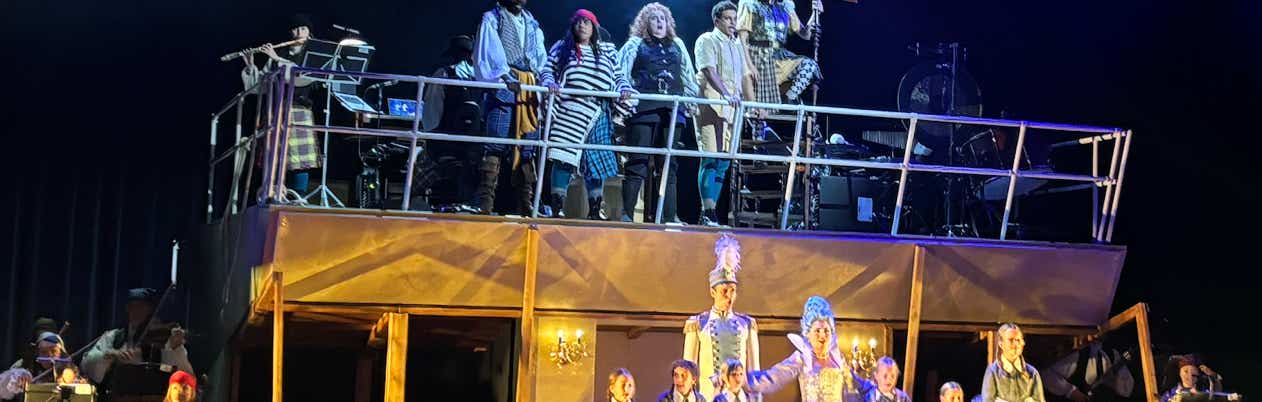
Scene from Pirate Queen (2024)
Monique Krüs
composer
Scene from Pirate Queen (2024)
Opera
opera for sopr., bar., fl, cl, bs, hn, perc, vi1, vi2, vla, vc, cb
with soundeffects on tape or performed acoustically
Available in:
Dutch (original)
Italian
German
English
English w. Cantonese dialogues
French
Anne & Zef (Dutch, orig.)
Libretto Ad de Bont
Italian Marco Morgantini
English Jonathan Levi
Deutsch Monique Krüs
French Anne Krus
Commission The Netherlands Philharmonic Orchestra in Amsterdam invited Krüs to compose an opera about Anne Frank in 2014.
She asked Ad de Bont to create a libretto from his successful play Anne en Zef in which he used parts of Anne's diary as a starting point. The opera was created in Dutch and although written with a young audience in mind, it is suited for anyone older than 12.
Premiere April 7, 2015 in de NedPho Koepel, Amsterdam
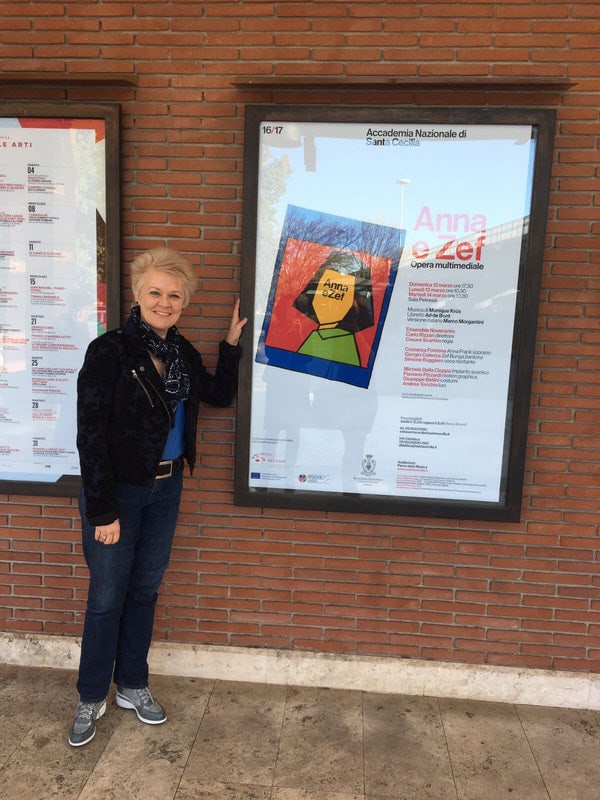
Intern. premiere March 12, 2017 in Rome (new staging, in Italian)
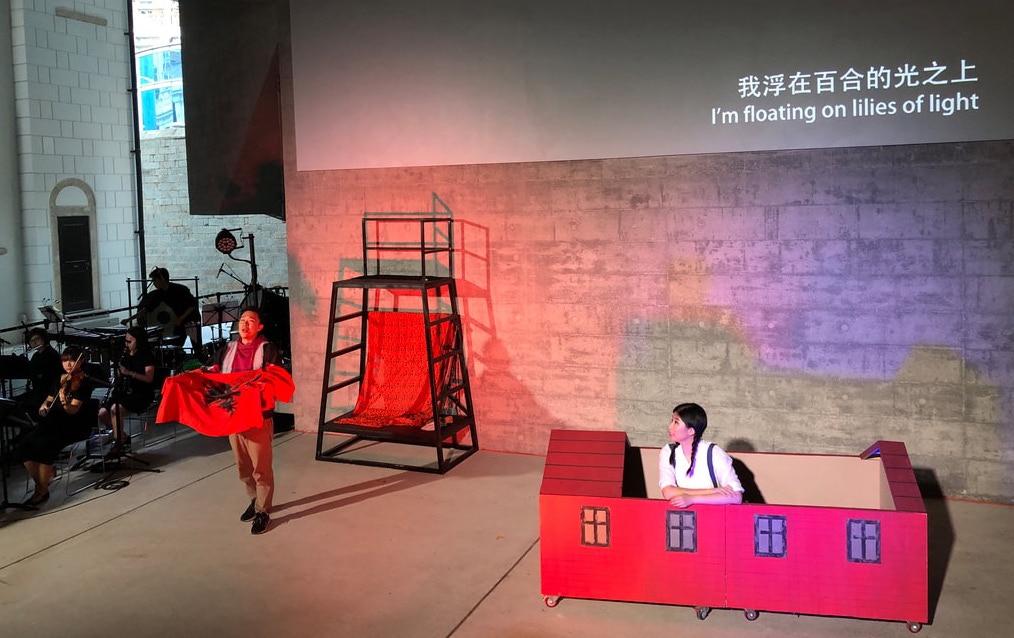
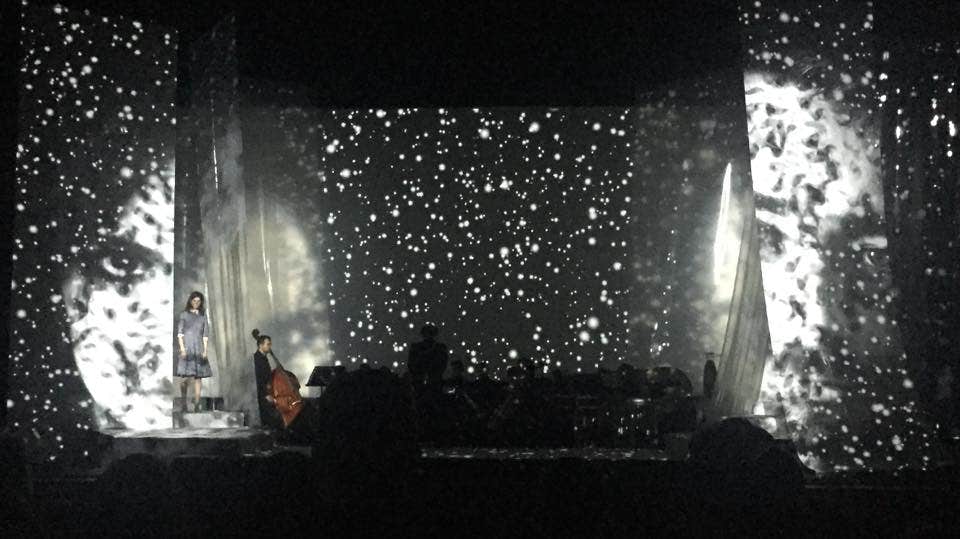
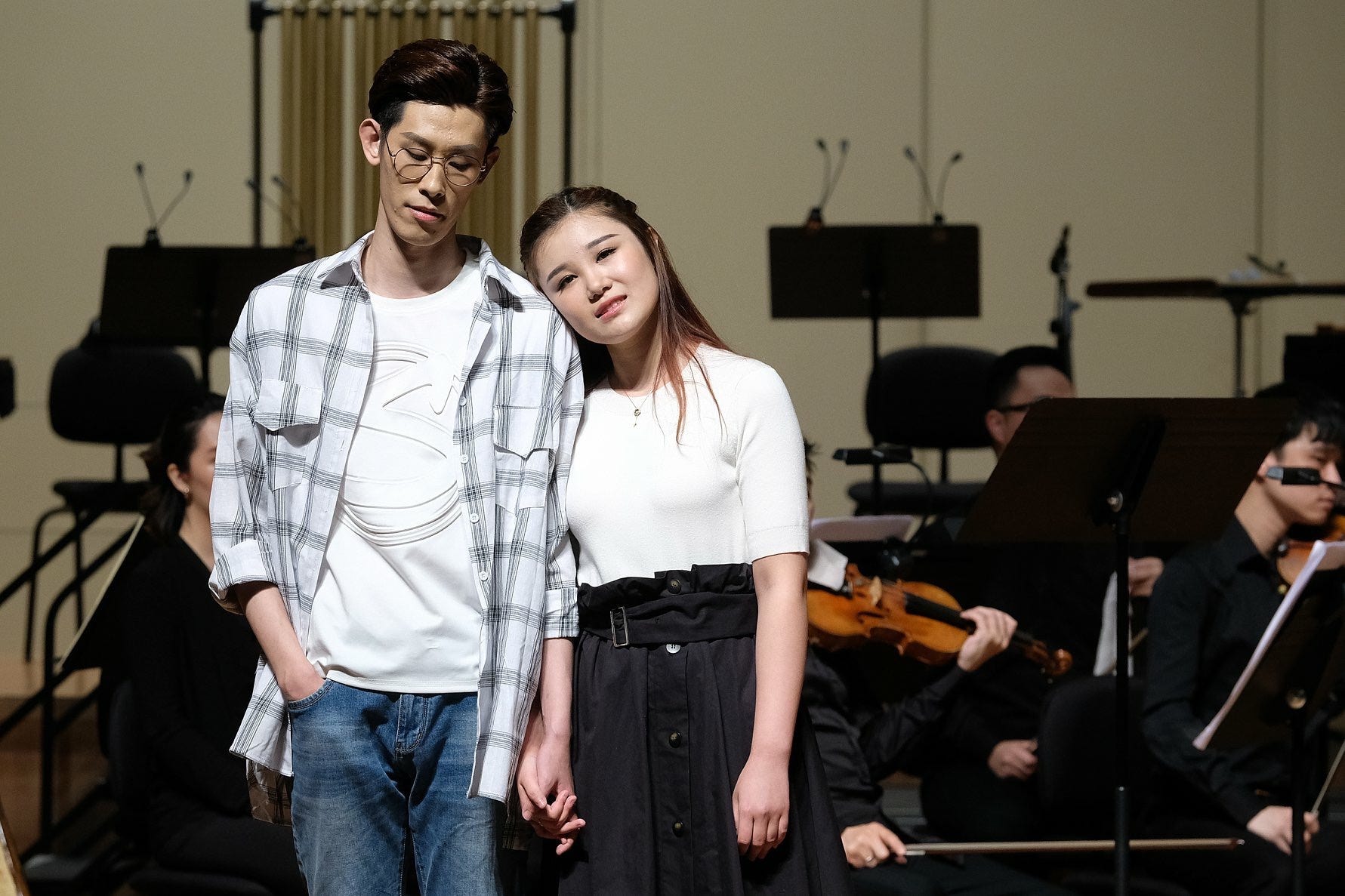
More performances Beijing, Bielefeld (new staging), Hong Kong (new
staging) Albania, Wiesbaden, The Hague 2022
Story
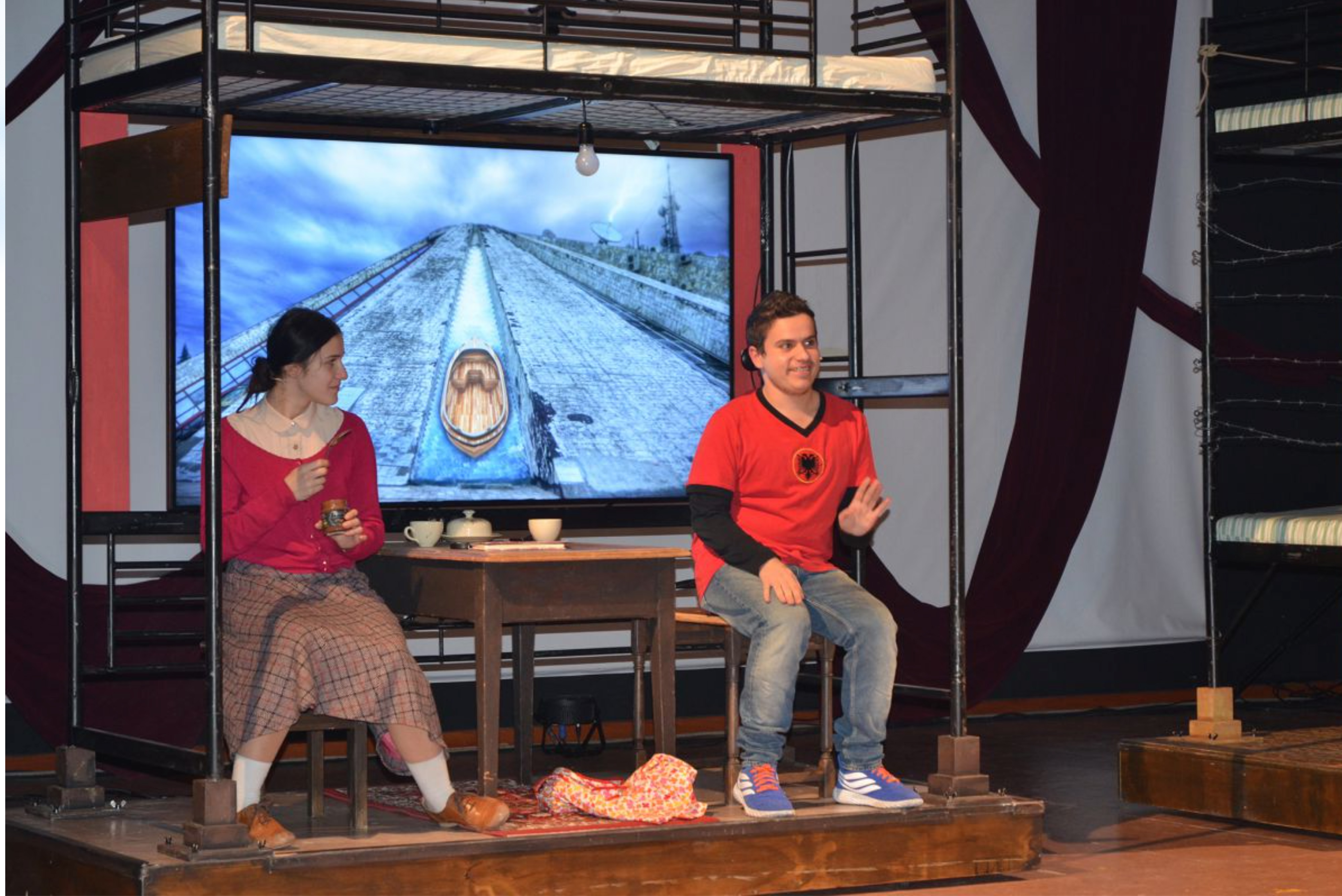
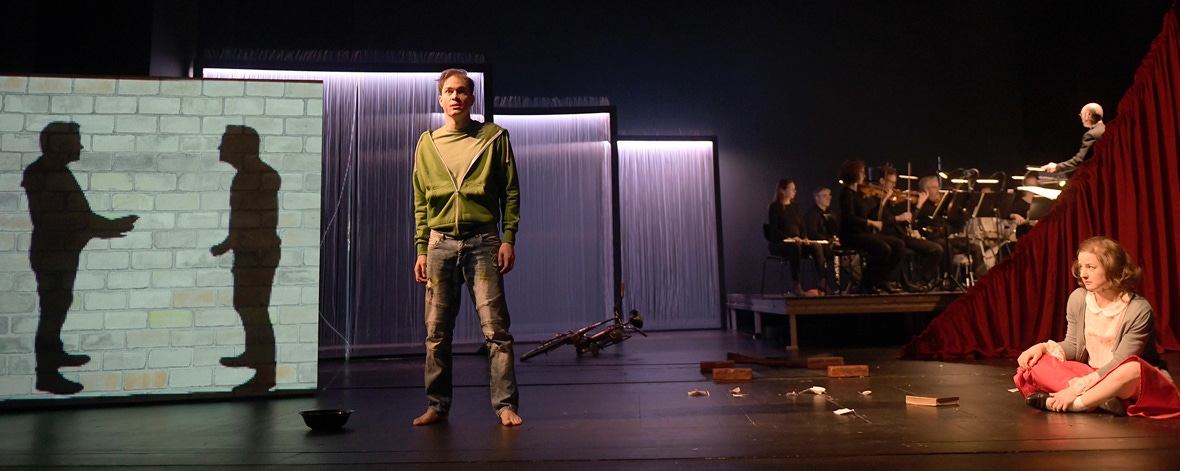
Zef, a fifteen year-old Albanian boy from our time, was killed because of the Kanun, the blood revenge. In the afterlife he meets Anne Frank and they find out they have a lot in common: a violent death, problems with parents, Anne loved to write, Zef loved to act. Both were robbed of their freedom prior to their premature deaths: Anne in the 'Achterhuis', Zef had to hide in his own home to stay safe. Their curiosity about each other leads to poignant, funny and at times melancholy scenes. Gradually they grow closer to each other.
Key element in the story is the 'unknown diary' of Anne: Ad de Bont created new texts as if Anne had continued to write: 'First on a stone or in the sand, then in the air and finally only in my head'.
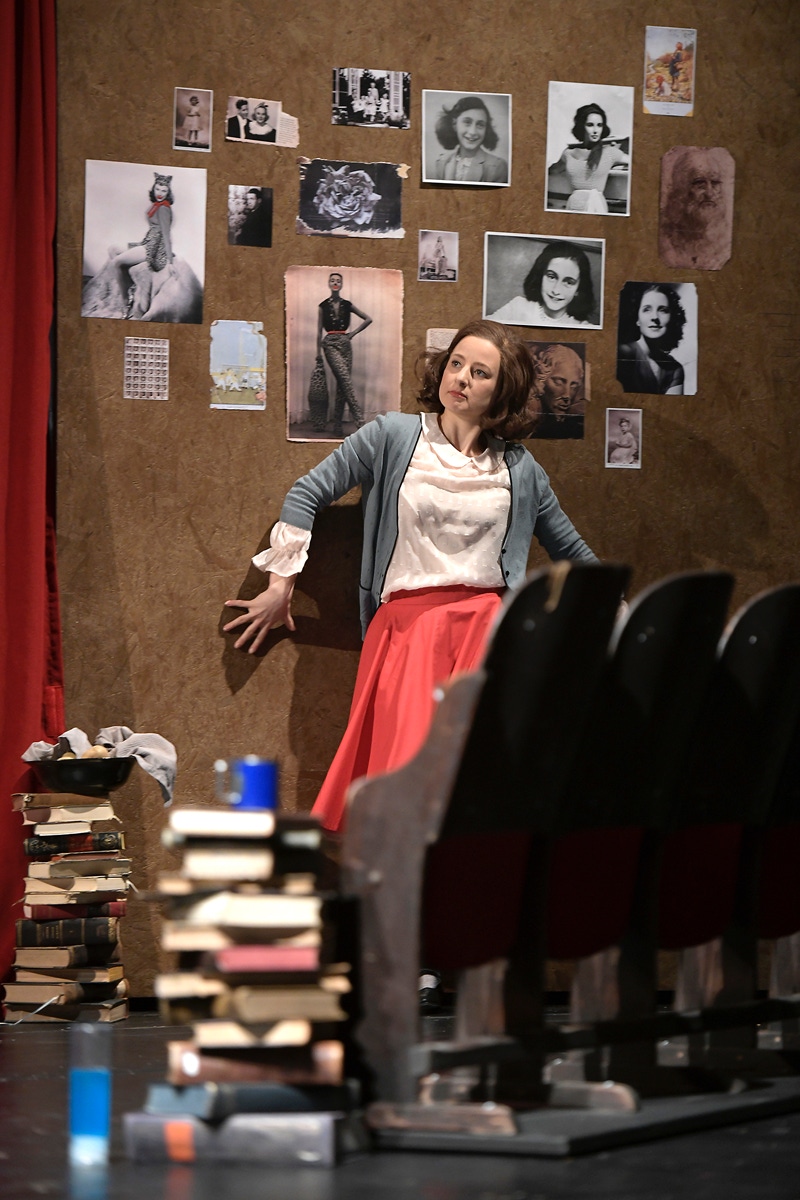
Cast and crew at the premiere
Directed by Corina van Eijk / Opera Spanga
Nederlands Philharmonisch Orkest | Nederlands Kamerorkest
conducted by David Niemann
Anne Lilian Farahani
Zef Benjamin de Wilde
Set Jolanda Lanslots
Costumes Pieter van Rooij




Stadttheater Bielefeld
‘Anne Frank trifft auf Zef Bunga. Das jüdische Mädchen, das sich in einem Amsterdamer Hinterhaus vor den Nationalsozialisten versteckt hielt, und der Junge von heute, der gerade aus Blutrache erschossen wurde. Zwei viel zu früh beendete Leben treffen in einem surrealen Raum aufeinander, befragen sich, finden sich sympathisch, erzählen sich ihre Sehnsüchte, Hoffnungen und was wirklich geschah. Die Kammeroper der niederländischen Komponistin und Sängerin Monique Krüs schöpft gewissermaßen die Kernkompetenz der Gattung Oper aus: Eine fiktive Situation zu schaffen, die für grausame Realität und süße Utopie Raum gibt und beides durch Musik emotional erlebbar macht.’
Cast and crew at the premiere in the NedPho Koepel, Amsterdam
Anne Lilian Farahani
Zef Benjamin de Wilde
Director Corina van Eijk
Orchestra Nederlands Philharm. Orkest
Nederlands Kamerorkest
Conductor Huba Hölloköi
Set Jolanda Lanslots
Costumes Pieter van Rooij